Holiday visits have a way of bringing a drinking or drug problem into the open. Maybe someone you love finally said yes to help, or you said it yourself. The next step is a search for a drug rehab in Santa Clarita. That search turns up a long list of names, nice photos and big promises, and it is hard to tell which programs are solid.
The fix is to ask direct questions. A good program will answer them plainly on the phone, without pressure. Below are 10 questions to ask any Santa Clarita rehab center, what a good answer sounds like, and how NCADD Santa Clarita answers each one.
Before you call: what kind of drug rehab in Santa Clarita do you need?
Rehab is not one thing. There are a few levels of care, and the right one depends on your health, what you use and how much support you need at home.
- Detox (withdrawal management): medical help to get through withdrawal safely.
- Residential: you live at the program for a period of time.
- Outpatient (OP): you live at home and come in for counseling and groups.
- Intensive outpatient (IOP): more hours each week while you still live at home.
- Recovery support (aftercare): ongoing help once the main program ends.
If you drink heavily every day, take benzodiazepines, or use opioids like fentanyl, you may need medical withdrawal management before outpatient care. Stopping alcohol or benzodiazepines suddenly can be dangerous. Our guide on what to know about detox in Santa Clarita before outpatient rehab explains the options. NCADD-SFV does not provide detox, but staff can help with referrals.
You do not have to sort out addiction treatment in Santa Clarita alone. A free phone screening exists for exactly this reason.
Questions about safety and quality
1. Is your program licensed or certified by the state?
In California, the Department of Health Care Services (DHCS) licenses residential facilities and certifies outpatient programs. DHCS keeps a public list of them, so you can check a program yourself.
A good answer: the program tells you its DHCS facility number right away, with no hedging.
NCADD Santa Clarita is certified by DHCS for outpatient and intensive outpatient services. The facility number is 19O049CN.
2. Are you accredited?
Accreditation means an outside group has reviewed the program’s care, safety and records. It is voluntary, so it shows a program chose to be checked.
A good answer: the program names its accrediting body and tells you how to confirm it. CARF International is one of the main accrediting bodies for addiction treatment, and you can look up any program through CARF’s provider search.
NCADD-SFV is accredited by CARF International. You can see the certification and accreditation dates on our About Us page, along with our history as a Valley nonprofit since the early 1970s.
Questions about the treatment itself
3. What levels of care do you offer, and how do you decide which one I need?
A good answer: “We start with an assessment and match you to the right level.” Be wary of any program that puts everyone in the same track before it knows anything about you.
At NCADD Santa Clarita, every client gets a full assessment at intake. That decides the right level of care, and you build a personal treatment plan with your assigned case manager or counselor. Options include standard outpatient, recovery support services and intensive outpatient, which runs 9 to 19 hours a week depending on need. If you are weighing the higher level, here is what an intensive outpatient program (IOP) involves week to week.
It is also fair to ask who will be doing the work. Our team includes certified and registered alcohol and drug counselors. They use cognitive behavioral therapy, motivational interviewing, relapse prevention and 12-step facilitation. Education groups run 90 minutes with no more than 12 people.
4. Do you offer medication-assisted treatment?
For opioid and alcohol use disorders, medication combined with counseling can ease cravings and lower the risk of relapse. Ask two things: does the program prescribe medication, and will it support a medication you already take?
A good answer: yes to both, or a clear referral to a doctor who will. Be careful with any program that wants you to stop a prescribed medication just to enroll.
NCADD-SFV offers medication-assisted treatment at both of our centers, including Santa Clarita. Our Medical Director, Dr. Dagmar Liepa, is an addiction medicine specialist. The doctor decides with you whether medication is a good fit, and it is always paired with individual and group counseling.
Questions about cost and coverage
5. Do you take Medi-Cal or my insurance, and will you check my benefits first?
A good answer: “We will verify your coverage and explain what you may owe before you start.” Nobody should hand you a large bill on day one.
NCADD-SFV accepts Medi-Cal, and staff can help you apply at your intake appointment. Medi-Cal enrollment is open all year. We also receive Los Angeles County funding for eligible people. We are in network with Evernorth (Cigna), Aetna, Optum, Magellan and Blue Cross Blue Shield. With no coverage, affordable self-pay with weekly payments is available, and PayPal is accepted with a 4% surcharge. You can review all of our payment options, including Medi-Cal and in-network plans, before you call. Staff will verify what your plan covers.
Questions about fitting treatment into your life
6. When are sessions, and how far is the drive?
Treatment only works if you can get there. A program 40 minutes away in traffic is a program you will start skipping.
A good answer: specific evening and weekend hours, and a clear idea of how many days a week you would come in.
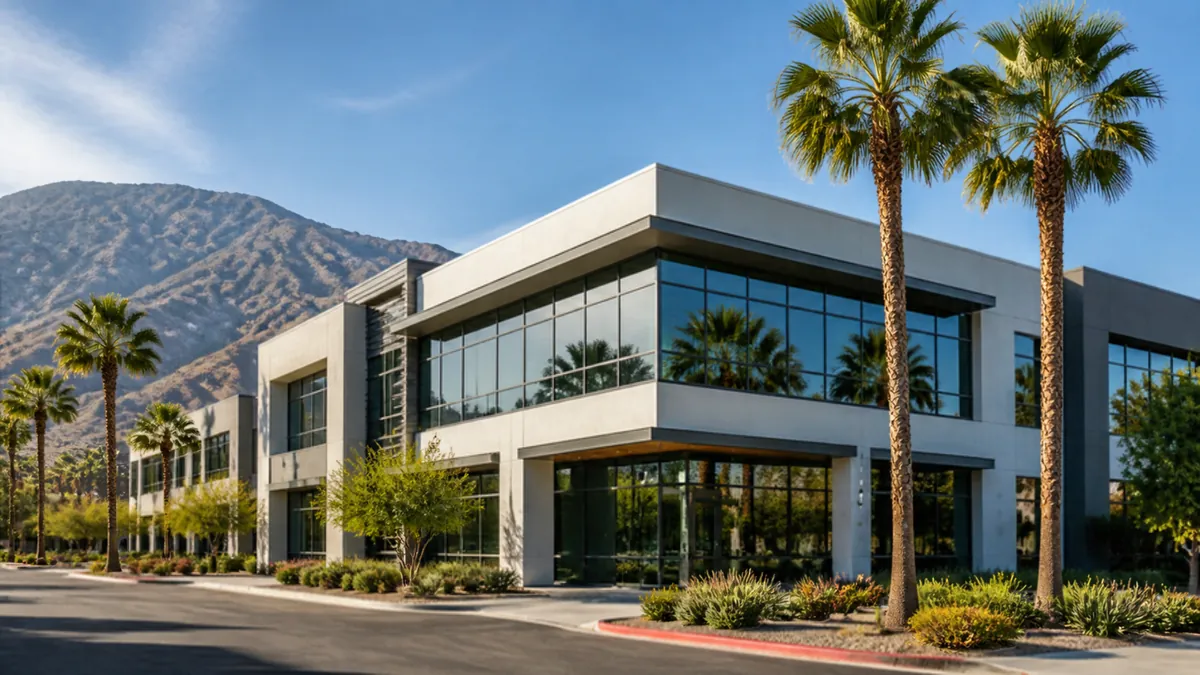
NCADD Santa Clarita sits at 24460 Lyons Avenue, which runs east from the 5 into Newhall. Most of our clients live a short drive away in Newhall, Valencia, Saugus, Canyon Country, Stevenson Ranch or Castaic. Hours are Monday to Friday, 8:30 am to 9:00 pm, and Saturday, 9:00 am to 5:30 pm. Depending on your plan, you may come in 1 to 5 days a week. That leaves room for your job, your classes or your school pickups.
7. How will my family be involved?
Addiction hits the whole household, so families need more than a single visiting day.
A good answer: regular family sessions with set topics, and a way for a loved one to meet your counselor.
NCADD-SFV offers family group counseling on communication, boundary-setting, the medical model of addiction, support versus enabling, and community supports like Al-Anon. Collateral sessions bring a partner or loved one in to meet with your counselor. Breakthrough Parenting Classes run 15 to 52 weeks in English and Spanish.
8. What happens when the program ends?
Recovery does not end on the last day of a program.
A good answer: a written discharge plan, ongoing aftercare, and help connecting with doctors, mental health care and other services.
At NCADD-SFV, discharge planning helps you map out your triggers and build a support network. Recovery support services keep you connected after your main program ends. Care coordination links you with primary care, mental health care and social services such as housing assistance.

Questions about privacy and honesty
9. How do you protect my privacy?
Federal rules (42 CFR Part 2) give substance use treatment records extra protection. In general, a program needs your written consent before sharing information that identifies you as a patient.
A good answer: a clear explanation of what is shared, with whom, and only with your signed consent. Ask how the program handles requests from employers or courts.
At NCADD-SFV, every call and every session is confidential.
10. Are you offering me anything to enroll?
A good answer: no. California law bars state-licensed and certified treatment programs from giving or receiving anything of value in exchange for patient referrals. Walk away if a program or a “recruiter” offers:
- Free flights or rides to an out-of-state program
- Free rent, cash or gift cards for signing up
- Perks for switching from your current program
- A guaranteed cure or a promise you will never relapse
- Pressure to decide before you hang up
Be wary of any program that will not give you a street address either.
What a good first call sounds like
Whichever drug rehab in Santa Clarita you call, the person on the phone should listen more than they talk. They should ask about what you use, your health and your schedule. After that, they should tell you honestly whether their program fits, and where to go if it does not.
At NCADD-SFV, that call is a free, confidential phone screening. In most cases, we can schedule your intake within 24 hours of the screening. If you want to compare programs, SAMHSA’s FindTreatment.gov lists treatment providers by location.
Frequently asked questions
Does NCADD Santa Clarita offer detox?
No. NCADD-SFV does not provide detox, residential care or sober living. If you need one of those first, staff can help with referrals and then continue your care in outpatient treatment.
Is outpatient rehab in Santa Clarita enough?
For many people, yes. Outpatient care suits people who are medically stable and can stay sober without 24-hour supervision, or who have finished a higher level of care. Your assessment will show whether outpatient or intensive outpatient is the better start.
How much does drug rehab in Santa Clarita cost?
It depends on your coverage. Medi-Cal is free or low cost for people who qualify. Private plans vary, so call and staff will check your benefits and explain your options before you begin.
Can I attend if I am on probation or have a DCFS case?
Yes. NCADD-SFV is a Criminal Justice Network provider. Our outpatient program meets requirements for PC 1210, AB 109, summary, formal and federal probation, parole and DCFS cases. Drug and alcohol testing is available at the Santa Clarita location.
What if I need help right now?
If someone has overdosed or is in danger, call 911. For thoughts of suicide, call or text 988. Los Angeles County’s 24/7 help line is 1-800-854-7771 (press 2 for substance use services), and the SAMHSA National Helpline is 1-800-662-4357.
You do not need perfect answers before you pick up the phone. Call NCADD Santa Clarita at (661) 253-9400, or our Van Nuys center at (818) 997-0414, for a free, confidential screening. Ask us all 10 questions. We will answer them honestly.