The alcohol prevention programs for youth that work best are not one big assembly. They teach kids real skills over several weeks, they pair school lessons with clear rules at home, and they make alcohol harder for teens to get. The National Institute on Alcohol Abuse and Alcoholism (NIAAA) describes prevention that works at several levels at once: the student, the school, the family, the community and public policy.
NCADD San Fernando Valley’s prevention team runs free programs for schools, youth and families across the San Fernando and Santa Clarita Valleys. Here is what helps, what tends to fall flat, and what you can start doing at home this week.
What alcohol prevention programs for youth look like when they work
According to NIAAA, effective prevention happens at five levels:
- The student: changing how young people think about alcohol, so they can handle pressure to drink
- The school: programs that build knowledge, skills and motivation to stay alcohol-free
- The family: clear rules, follow-through and better parent-child communication
- The community: local coalitions that take on the conditions that make underage drinking easy
- Policy: making alcohol harder to get, including keeping the minimum legal drinking age at 21
Each level backs up the others. Picture a teen who has rehearsed turning down a drink in class and knows the rule at home. If she also cannot easily buy beer at the corner store, she has three reasons to say no instead of one.
Why start early? NIAAA notes that the brain keeps developing well into a person’s 20s, and alcohol can change how it develops. People who start drinking before age 15 are also at higher risk of developing alcohol use disorder later in life.
Why one-time scare talks fall short
You may remember a school assembly built around a frightening video or a graphic story. Fear-based messages are memorable, but memorable is not the same as effective. A research summary prepared for SAMHSA’s Center for the Application of Prevention Technologies reviewed two decades of studies. It concluded that scare tactics have not proven effective in substance use prevention.
Part of the problem is how people react to strong fear. Instead of changing their behavior, many tune the message out or decide it does not apply to them. A 15-year-old in Reseda who sees a gruesome slideshow may simply think, “That won’t be me.”
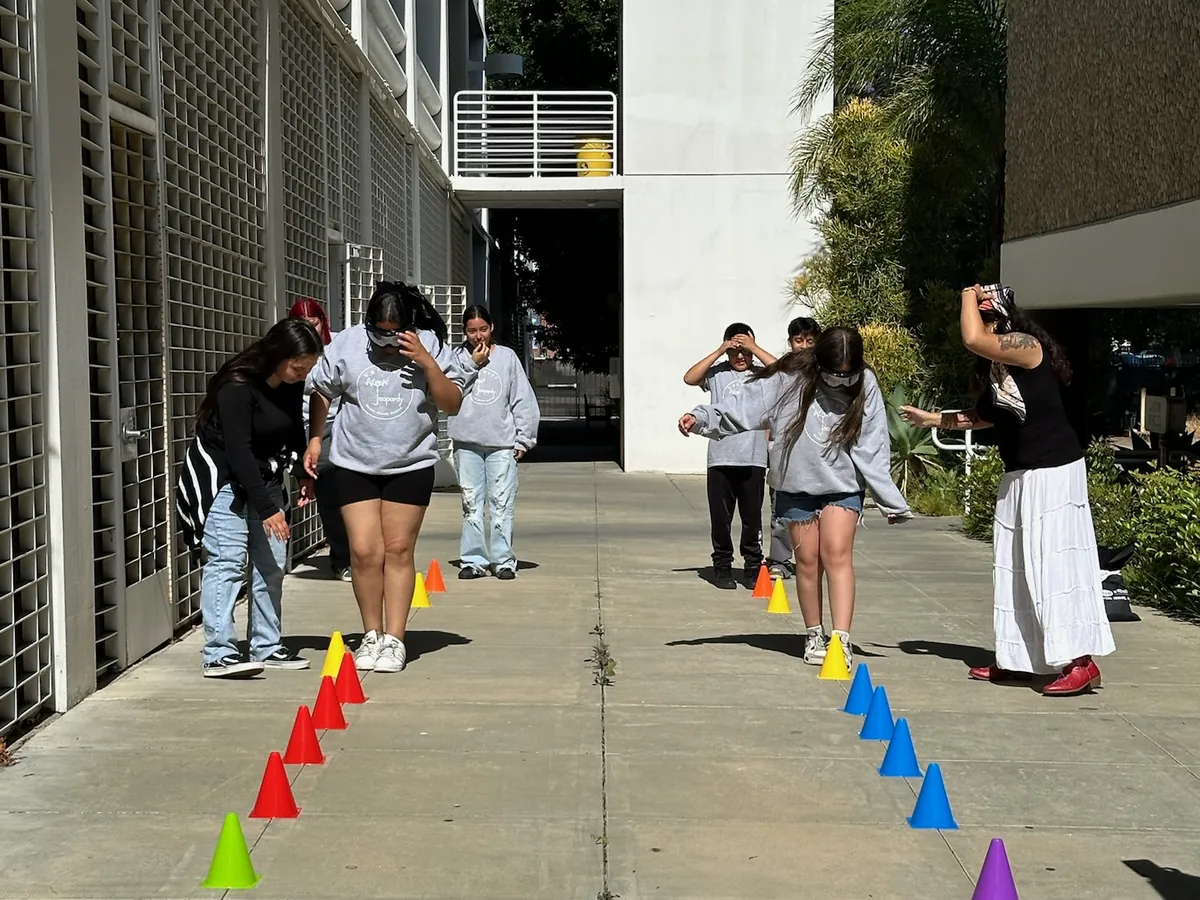
Programs that work tend to be interactive. Students talk, practice and role-play, instead of sitting through a lecture. Hands-on activities, like the drunk goggle obstacle courses NCADD-SFV’s prevention team brings to students, work best as one piece of a longer program and not as the whole plan.
Skills-based programs at school: Botvin LifeSkills Training
Botvin LifeSkills Training (LST) is an evidence-based program built on more than 35 years of research. It covers three groups of skills:
- Personal self-management: building self-esteem, solving problems, lowering stress and managing anger
- General social skills: communicating clearly, getting past shyness and building healthy friendships
- Drug resistance skills: recognizing pressure to use alcohol, tobacco and other drugs, and practicing how to push back
Notice that only one of the three is about drugs directly. Kids who can handle stress and speak up for themselves have fewer reasons to reach for a drink. There are separate versions for middle school and high school students.
NCADD-SFV can teach the 10 to 14 week program free to any middle or high school in the San Fernando and Santa Clarita Valleys. An MOU with the school is required. Teachers and counselors can find program details on our Botvin LifeSkills Training page, and parents may like our plain guide to what Botvin LifeSkills teaches. To bring it to your school, contact Prevention Director Lizbeth Vivar at [email protected].
Youth leadership, mentoring and community action
Prevention reaches further when young people lead it. Good alcohol prevention programs for youth also give teens a real role in their own neighborhoods. Here are examples from NCADD-SFV’s prevention team:
- Youth Group Leadership with students at Valley Charter Middle School, where youth and adults work together on leadership, skill-building and social events that do not involve alcohol or drugs
- Mentoring in the Van Nuys LAPD Jeopardy program, a gang prevention and intervention program, helping young people choose a drug-free life and make positive decisions
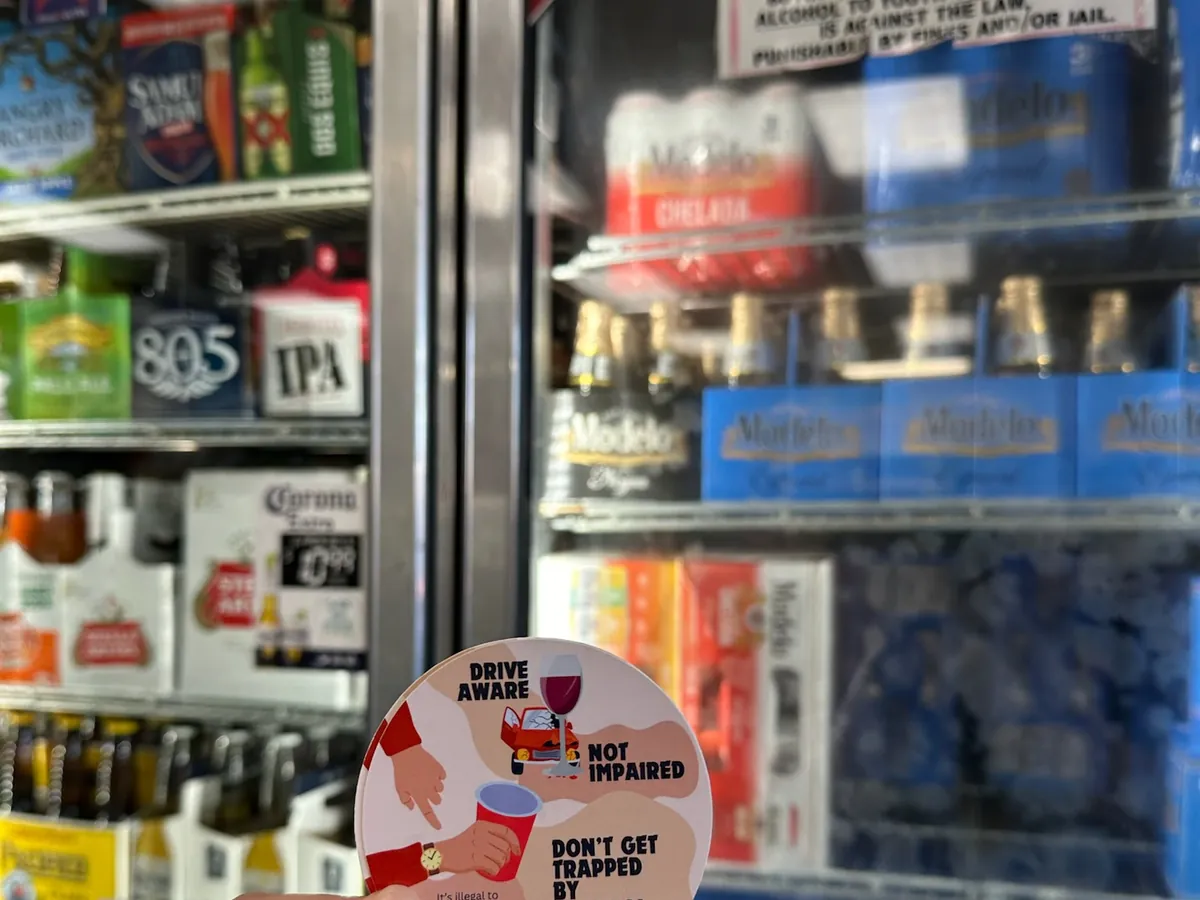
- Project Sticker Shock, a national campaign that aims messages at adults who might buy alcohol for minors. Middle and high school students hand-draw the stickers, prevention staff vote on the designs, and the stickers are distributed to local liquor stores.
- Drunk goggle obstacle courses, where students try simple tasks while wearing goggles that mimic the poor coordination that comes with drinking
- Thirsty Thursday, a mocktail campaign at health fairs, parks and school and parent workshops that shares facts about alcohol along with alcohol-free drink recipes
Project Sticker Shock is community action at its simplest. It goes after access, one of the levels NIAAA names, and it puts teens in charge of the message. You can see photos and details on our youth programs page.
Red Ribbon Week ideas and other school events
Red Ribbon Week runs October 23 to 31 every year. It honors Enrique “Kiki” Camarena, a DEA agent who was killed in Mexico in the 1980s. This year’s national theme is “Make A Difference. Be A Hero. Stay Drug Free.” You can find materials at redribbon.org.
Some Red Ribbon Week ideas that go beyond wearing a ribbon:
- A lunchtime mocktail station with recipes students create themselves
- A sticker or poster contest with messages aimed at adults who buy alcohol for teens
- Short classroom role-plays on turning down a drink without losing face
- A family night with a brief talk for parents on setting rules at home
- A pledge wall where each student writes one reason they choose not to drink
- Student-led morning announcements with one alcohol fact a day
Red Ribbon Week is only one stop on the school calendar. National Drug and Alcohol Facts Week brings students and scientists together to talk about the science of drug use, and April is Alcohol Awareness Month. NCADD-SFV partners with local schools on these observances, and you can read more on our school-based events page.
Underage drinking prevention starts at home
Teens may roll their eyes, but parents still matter. NIAAA says parents play a key role in shaping their kids’ attitudes toward alcohol. Its guidance for parents boils down to a few habits:
- Talk early and often, in ways that fit your child’s age. Many short talks beat one big lecture.
- Set clear rules, and enforce them the same way every time.
- Pair firm limits with warmth. Teens are more likely to accept rules they see as fair.
- Do not provide alcohol to your teen, and never to someone else’s child. NIAAA calls parents supplying alcohol a direct risk factor for misuse.
- Know where kids gather. Work with other parents to keep track of where teens are and what they are doing.
- Model what you want to see. Teens are less likely to drink heavily when parents set clear rules and drink responsibly themselves.
It also helps to keep track of the alcohol already in your home. Bottles that disappear slowly from a cabinet are easy to miss.
How to start the talk
Say your 13-year-old in Canyon Country mentions that a friend’s older brother brought beer to a sleepover. That is your opening. Try something like, “Thanks for telling me. What did you think about it?”
Listen first. After that, share your rule and the reason behind it. “In our family, no drinking before 21, because your brain is still growing.” Give your teen a way out of hard spots, too: “If you ever want to leave somewhere, text me and I will come get you. No lecture that night.”
When to look for a youth substance abuse class or more help
Sometimes prevention is not enough on its own. NIAAA lists warning signs such as mood changes, falling grades, a new group of friends, and alcohol in a teen’s belongings or on their breath. NIAAA and the American Academy of Pediatrics recommend that all youth be screened for alcohol use regularly, so your child’s pediatrician is a good first call.
For parents and community groups, NCADD-SFV’s prevention team offers community and parent presentations. They cover alcohol and drug trends, how to talk with your kids and how to build coping skills. All of our free prevention services are open to the community, and the prevention office is open Monday to Friday, 8:30 am to 5:00 pm.
If your teen is already drinking or using regularly, call either NCADD-SFV center to talk through options. Our services are for adults, teens and families affected by alcohol or drugs. The Los Angeles County Help Line at (800) 854-7771 (press 2 for substance use) can also help you find treatment services in the county.
Call 911 if a young person cannot be woken up, is breathing slowly or irregularly, or is vomiting while barely conscious. Those can be signs of alcohol poisoning. For a mental health crisis, call or text 988.
Frequently asked questions
At what age should alcohol prevention start?
Earlier than many parents expect. NIAAA advises talking early and often in age-appropriate ways, and people who start drinking before 15 face a higher risk of alcohol use disorder later.
Are NCADD-SFV’s youth prevention programs free?
Yes. All NCADD-SFV prevention services are free to the community, including Botvin LifeSkills Training for schools.
What is Project Sticker Shock?
It is a national campaign to reduce underage drinking by limiting youth access to alcohol. Students design warning stickers aimed at adults who might buy alcohol for minors, and the stickers are distributed to local stores.
How can a school bring LifeSkills Training to its students?
Email Prevention Director Lizbeth Vivar at [email protected]. The 10 to 14 week program is free for middle and high schools in the San Fernando and Santa Clarita Valleys, and an MOU with the school is required.
When is Red Ribbon Week?
October 23 to 31, every year.
If you are worried about a teen’s drinking, or your own, you do not have to sort it out alone. Call our Van Nuys center at (818) 997-0414 or our Santa Clarita center at (661) 253-9400 for a free, confidential screening. Schools and community groups can reach our prevention team at [email protected].