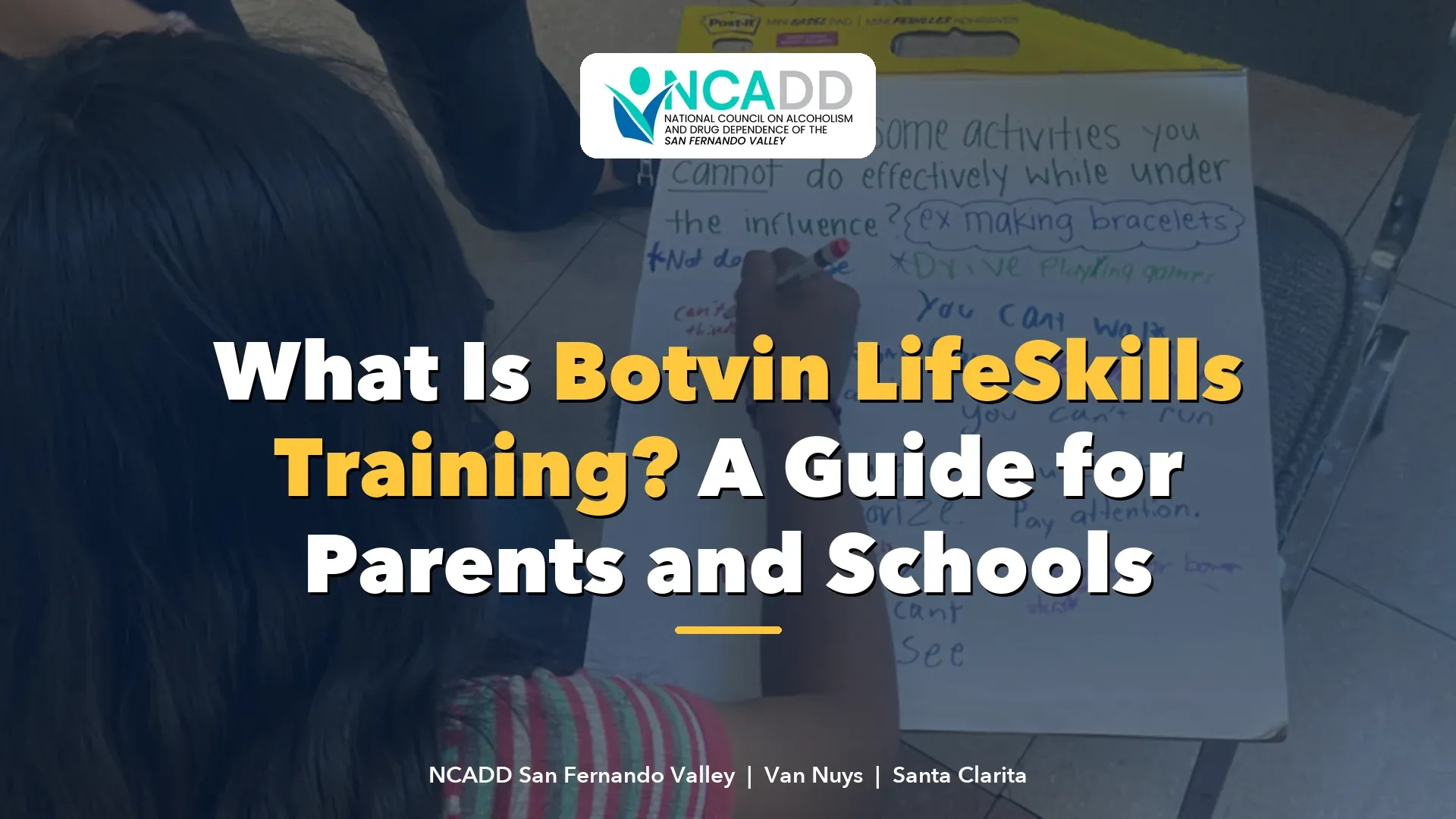
Botvin LifeSkills Training is a classroom program that teaches kids how to handle stress, make decisions, speak up for themselves and turn down alcohol, tobacco and other drugs. It was developed by Dr. Gilbert J. Botvin. Instead of trying to scare students, it has them practice real skills until those skills feel natural. NCADD San Fernando Valley teaches the 10 to 14 week program free to middle and high schools in the San Fernando and Santa Clarita Valleys.
If your child brought home a note about it, or your school is weighing prevention programs, here is what you should know.
What is Botvin LifeSkills Training?
LifeSkills Training, often shortened to LST, is a school-based prevention program for all students, not only kids who already seem at risk. It was created by Dr. Gilbert J. Botvin of Weill Cornell Medical College. The goal is to lower tobacco, alcohol and marijuana use, along with violence, before those habits start.
You will see the words “life skills training” used for many different classes. Botvin’s program is a specific, published curriculum with a long research record behind it. When schools search for a life skills training program that is evidence-based, this is usually the one they mean.
There are several versions. The program’s publisher lists elementary, middle school and high school programs, plus a parent program and online formats. NCADD-SFV brings the middle school and high school programs to local campuses.
The three skill areas in the Botvin LifeSkills curriculum
Many kids already know drugs can hurt them. What they often lack is a plan for the moment a friend offers something, or the moment stress feels unbearable. The curriculum is built around three groups of skills to fill that gap.
Personal self-management skills
Students look at their self-image and how it shapes what they do. They practice setting goals and tracking them, thinking through consequences before they decide, and handling stress and anxiety. They also learn to see a setback as something they can work through, not proof they are failing.
Social skills
This part helps students get past shyness, communicate clearly, start and keep up conversations, and respond to requests from other people. A big piece is assertiveness, both with words and body language. Students learn there are options besides going along with the crowd or lashing out.
Drug resistance skills
Here students learn to spot and challenge common myths about tobacco, alcohol and other drugs. One of the biggest myths is that “everyone is doing it.” Correcting that belief is a deliberate part of the program’s design. Students also look at how ads and social media push products at them, and they practice ways to say no and still keep their friends.
Botvin LifeSkills for middle school and high school
Blueprints for Healthy Youth Development is a registry that reviews the research on youth programs. It describes the middle school program as designed for students roughly 12 to 14 years old, in grades 6 to 9. The full version has 30 core sessions over three years: 15 in the first year, then 10 booster sessions in the second year and 5 in the third. Optional violence prevention lessons can be added each year. Sessions usually run about 45 minutes.
The booster years matter. Skills fade if no one practices them, and the later sessions give students a chance to sharpen what they learned as the pressure around them grows.
The high school program is shorter and aimed at students in grade 9 or 10. It usually has 10 class sessions. It reviews the same core skills with older teens in mind, as they face more independence, more parties and more time on their own.
When NCADD-SFV comes to a school, we run the program over 10 to 14 weeks. That gives students time between lessons to try the skills in real life and come back with questions.
What a LifeSkills class looks like
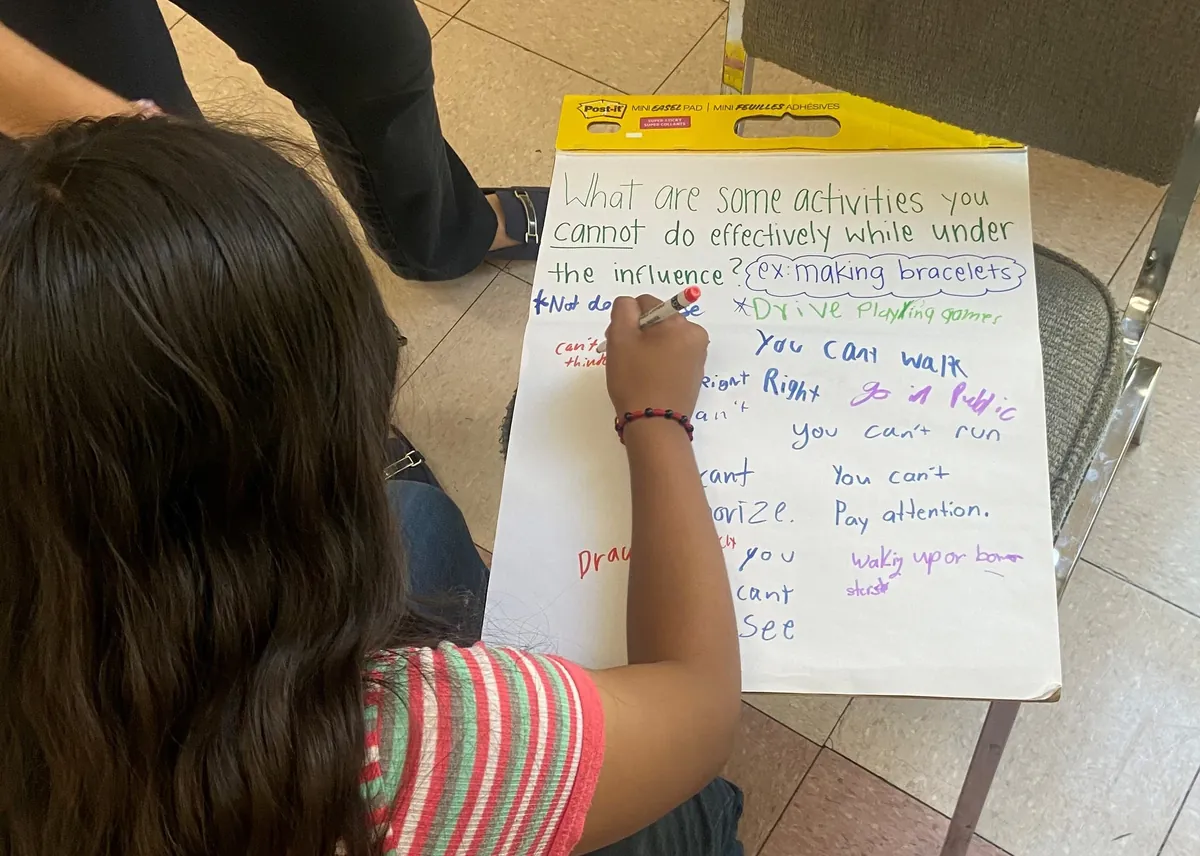
A LifeSkills class looks more like a coaching session than a lecture. The instructor shows a skill, students rehearse it, the group gives feedback, and the instructor reinforces what worked. Students are also asked to practice outside the classroom.
Here is an example of how a lesson on refusal skills might feel. This is an illustration, not a page from the curriculum. The instructor shows a short scene where a teen is offered a vape at a friend’s house. Two students then act it out in front of the class. One plays the friend making the offer. The other practices saying no clearly, giving a reason and suggesting something else to do. Classmates point out what sounded convincing and what didn’t. After that, the two switch roles.
It can be a little awkward at first. That awkwardness is the point. Once a student has said the words out loud in a safe room, they come easier at a party in Reseda or a park in Saugus.
Other lessons might have students set a personal goal for the week or list what stresses them out. Some pick apart a beer or vape ad to see how it tries to sell a feeling.
Why skills-based prevention works better than scare tactics
Plenty of parents remember a single school assembly with grim photos and a speaker describing the worst night of their life. Those talks are memorable. They rarely give a 13-year-old anything to do differently on Saturday night.
Skills-based programs take another route. The National Institute on Drug Abuse’s prevention research page describes school-based programs that help students develop social, emotional, thinking and substance-refusal skills. NIDA’s research-based prevention principles also say programs work best when they use interactive methods, such as peer discussion groups and role-playing, instead of lecture alone. LifeSkills is built on exactly that.
The research behind Botvin LifeSkills Training is strong. Blueprints for Healthy Youth Development gives LifeSkills Training its “Model Plus” rating, its highest level. That rating means the program met the registry’s strict evidence standards and has also been replicated by researchers independent of the original developer. The outcomes Blueprints lists for the program include alcohol, tobacco, marijuana, violence and delinquency.
No program guarantees a child will never try alcohol or drugs. What a well-tested program can do is shift the odds, by giving kids skills they can actually use.
How schools can get Botvin LifeSkills Training free
NCADD-SFV can provide the 10 to 14 week LifeSkills program free to any middle or high school in the San Fernando and Santa Clarita Valleys. All of our prevention services are free to the community.
Here is what to expect:
- Reach out. Email our Prevention Director, Lizbeth Vivar, at [email protected]. Our prevention team works Monday to Friday, 8:30 am to 5:00 pm.
- Talk through the fit. Expect to discuss which grade levels and classes you have in mind, and when the program could run.
- Sign an MOU. A memorandum of understanding between NCADD-SFV and the school is required before the program starts.
- Start the sessions. Our team delivers the program at your school over 10 to 14 weeks.
You can read more on our Botvin’s Life Skills Training program page.
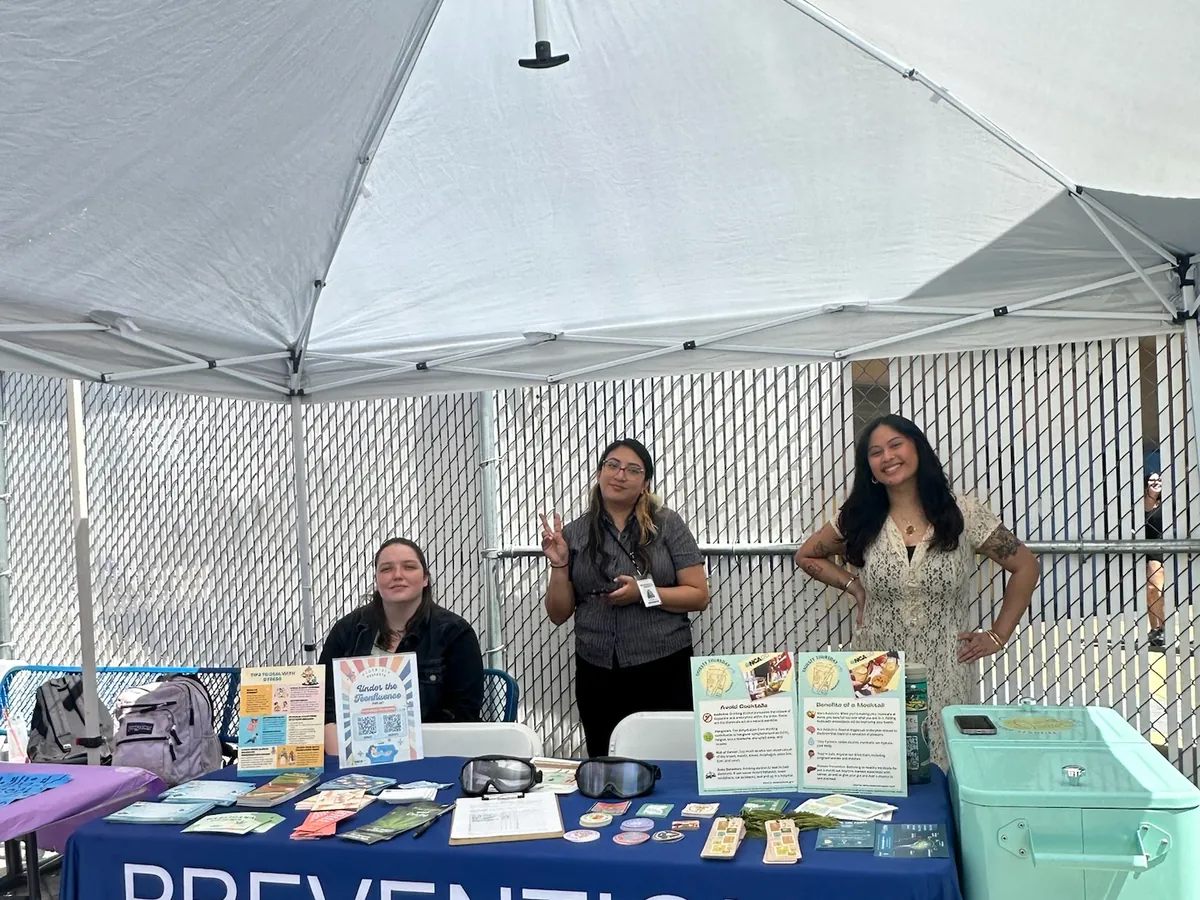
Many schools pair LST with awareness events through the year. NCADD-SFV takes part in Red Ribbon Week (October 23 to 31), National Drug and Alcohol Facts Week and Alcohol Awareness Month in April. Our page on school-based prevention events has more on those.
What parents can do at home
LifeSkills works best when what kids learn in class gets backed up at home. A few simple habits help:
- Ask what they practiced. “What did you role-play this week?” usually gets more than “How was school?”
- Practice together. Offer to play the friend who keeps pushing, and let your child try out a refusal line.
- Be clear about your rules. Kids do better when they know exactly where their family stands on alcohol, vaping and other drugs.
- Talk about ads and social media. Ask what a post or commercial is really trying to sell.
- Lock up alcohol and medicines. Safe storage cuts down easy access at home.
Prevention doesn’t stop at the classroom door, either. Our youth programs include Youth Group Leadership with students from Valley Charter Middle School and mentoring for youth in the Van Nuys LAPD Jeopardy program. In Project Sticker Shock, students design stickers that remind adults not to buy alcohol for minors. Our team also gives free community and parent presentations on alcohol and drug trends and how to talk with your kids. You can see everything our team offers on the NCADD-SFV prevention services page.
If you are worried about a teen who seems to be in crisis, call or text 988. In an emergency, call 911.
Frequently asked questions
Is Botvin LifeSkills Training evidence-based?
Yes. Blueprints for Healthy Youth Development rates it “Model Plus,” its highest rating, and it has been studied for decades.
What grades is Botvin LifeSkills for?
The middle school program covers grades 6 to 9 over three levels. The high school program is for grade 9 or 10. Elementary versions also exist, but NCADD-SFV offers the middle and high school programs.
Does it cost the school anything?
Not through NCADD-SFV. We provide the 10 to 14 week program free to middle and high schools in the San Fernando and Santa Clarita Valleys. An MOU with the school is required.
Who teaches the class?
In many places, trained classroom teachers deliver it. When NCADD-SFV brings LifeSkills to your school, our prevention team leads the sessions.
Is LifeSkills only about drugs?
No. Students also work on stress, communication, decision-making and assertiveness, and the program includes violence prevention lessons. These are skills kids use long after the unit ends.
If you run a school, email Lizbeth Vivar at [email protected] to bring LifeSkills to your students. If you are a parent and you’re already worried about your child’s drinking or drug use, you don’t have to wait for a class. Call NCADD Van Nuys at (818) 997-0414 or NCADD Santa Clarita at (661) 253-9400 for a free, confidential screening. Our services are for adults, teens and families, and we’ll help you figure out the next step.